Sustainable Fashion Trends 2026: What’s Actually Changing (And What’s Just Hype)
Okay, real talk — I bought a “sustainable” hoodie in 2021 from a brand that plastered the word “eco” on literally everything. The packaging was recycled. The hoodie was not. It pilled after three washes, and I donated it before the year was out. That little experience taught me something important: the word sustainable has been doing some seriously heavy lifting in fashion, often without the receipts to back it up.
But here’s the thing — 2026 feels genuinely different. And I don’t say that lightly.
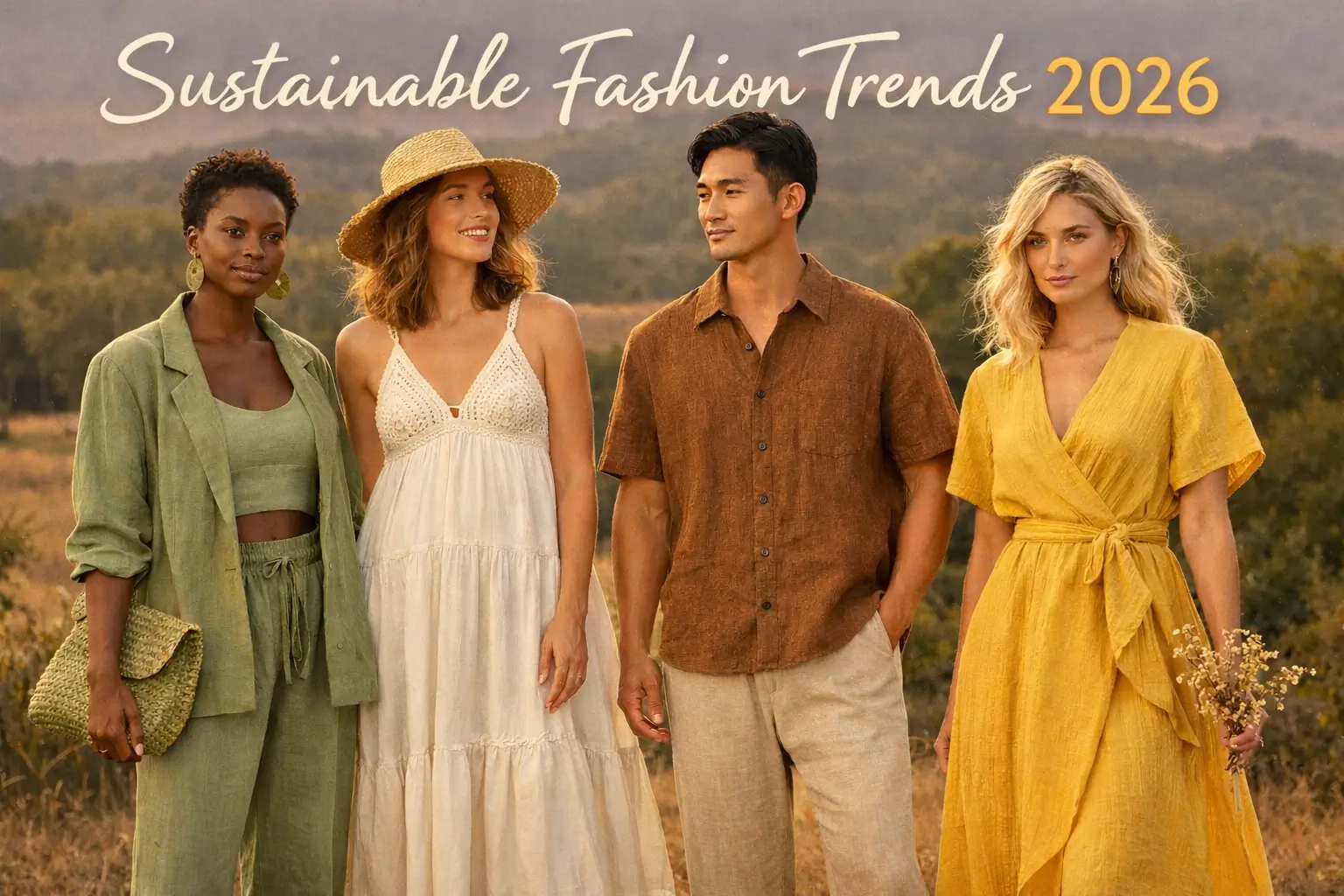
Sustainable fashion trends 2026 are not just about slapping a green label on a linen tote. Something is actually shifting, both in how brands operate and — more importantly — in how real people shop. Whether it’s the rise of bio-fabricated materials, the mainstreaming of rental wardrobes, or Gen Z’s absolute refusal to buy fast fashion without asking hard questions first, the industry is at a crossroads. So let’s dig in, shall we?
Sustainable Fashion Trends 2026: The End of “Eco-Washing” (Finally)
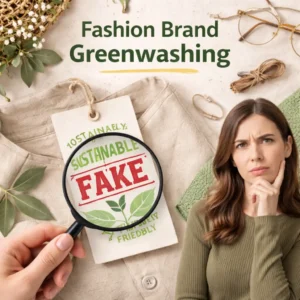
Sustainable fashion trends 2026 have one powerful new force behind them: regulation. The EU’s Green Claims Directive, which started rolling out enforcement in 2024-2025, is essentially making it illegal for brands to throw around vague environmental buzzwords without proof. “Eco-friendly.” “Green.” “Planet-conscious.” You’re gonna need receipts now.
This is massive. For years, the fashion industry operated on vibes and good PR. A brand could claim their collection was “made sustainably” because they used one organic cotton field somewhere in Portugal. That game is mostly up. Consequently, brands that were genuinely doing the work — smaller labels, indie designers, legacy slow-fashion names — are suddenly standing out rather than getting buried under marketing noise.
I spoke to a vintage shop owner in my city recently — shoutout to Rania, who’s been running her secondhand boutique since 2018 — and she put it perfectly: “People used to come in because they were broke. Now they come in because they’re principled. And honestly? They spend more.”
That shift in consumer psychology is real, and it’s driving everything else on this list.

Bio-Based Fabrics Are Having Their Absolute Moment
Let’s talk about materials, because this is where 2026 gets genuinely exciting — even a little science-fiction-y. Sustainable fashion trends 2026 include a wave of bio-fabricated textiles that would have sounded ridiculous five years ago.
Mycelium leather — yes, made from mushroom roots — has moved from niche concept to actual retail product. Bolt Threads and Ecovative are no longer just showing prototypes at sustainability conferences. You can buy bags, shoes, and accessories made from mycelium-based materials right now. They’re durable. They look good. And they biodegrade, which is more than you can say for most synthetic leather that’ll be sitting in a landfill in 2074.
Then there’s algae-based fabric. I know, I know — sounds weird. But algae grows incredibly fast, requires no freshwater (a huge deal), and can be processed into surprisingly soft, dye-friendly fibers. Brands like Algaeing and O’right have been pioneering this space, and we’re starting to see it filter into mainstream collections.
And don’t even get me started on bacterial cellulose — essentially fabric grown in a lab using microbes. It’s not quite mainstream yet, but it’s coming. The fact that we can now grow textiles rather than harvest or synthesize them is, no exaggeration, one of the more profound shifts happening in materials science right now.
Furthermore, recycled ocean plastic remains a strong sustainable fashion trend in 2026, though it’s becoming table stakes rather than a headline feature. At this point, if you’re a swimwear brand and you’re not using recycled ocean plastic, people are gonna notice. And not in a good way.
Sustainable Fashion Trends 2026: The Secondhand Economy Is Now Just… the Economy
Here’s a number that blew my mind when I first saw it: the global secondhand and resale market is projected to hit $350 billion by 2027. For context, that’s bigger than fast fashion. Let that sink in.
Sustainable fashion trends 2026 are increasingly being led by resale platforms that have gotten seriously sophisticated. ThredUp, Vinted, Depop, Vestiaire Collective — these aren’t scrappy little websites anymore. They have authentication processes, brand partnerships, and in some cases, AI-powered pricing tools that rival the stock market in complexity. My cousin recently sold a vintage Levi’s jacket on Depop for £180. She bought it for £12 at a car boot sale. The kids are figuring this out.
What’s changed specifically in 2026 is that luxury resale has fully destigmatized. There used to be this sense — especially in certain circles — that wearing secondhand was something you did because you had to. That perception has flipped almost entirely. Buying a pre-loved Burberry coat isn’t a compromise anymore; it’s a flex. It signals that you know fashion history, that you’re not easily manipulated by seasonal drops, and that you’ve got taste that doesn’t require a brand-new price tag.
Additionally, major retailers are getting into the resale game themselves. Programs like H&M’s Take Back scheme (however imperfect) and Zara’s Re-Loved platform are acknowledgments that the industry can no longer ignore the secondhand wave. Whether these programs are genuine or just a PR exercise is — let’s be honest — still debatable. But the direction is clear.
The “Buy Less, Buy Better” Philosophy Is Going Mainstream
Sustainable fashion trends 2026 are deeply connected to a broader cultural shift that might be the most significant development of all: people are genuinely buying less stuff. Not because they’re being forced to. Because they’ve decided to.
This is sometimes called “conscious minimalism” or “intentional wardrobe building,” but honestly those phrases make it sound more curated and Pinterest-ready than it often is in practice. In reality, it looks more like a 28-year-old deciding she doesn’t need seven pairs of jeans. Or a guy realizing he’s worn the same five shirts for the past two years and everything else just hangs there like a monument to impulse purchases.
The “cost per wear” calculation has become genuinely mainstream. People are asking: if I spend £200 on a well-made pair of boots that I wear 300 times, versus £30 on a pair I wear 10 times, which is actually cheaper? The math isn’t hard. But it requires a mental shift — from thinking about price at checkout to thinking about value over time.
Moreover, the rise of capsule wardrobe content on social media has been both a help and a hindrance. Helpful because it’s spreading the “buy better” message. A hindrance because, ironically, some influencers have turned minimalism into an aesthetic that requires buying a whole new minimalist wardrobe. That’s a little hilarious, if you think about it. The anti-consumption movement has been partially consumed by consumerism. Humanity is truly something.
Sustainable Fashion Trends 2026: Rental and Subscription Models Are Maturing
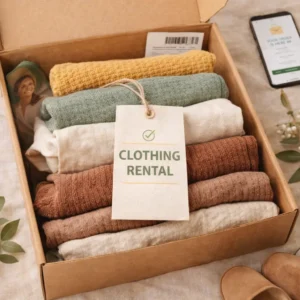
Sustainable fashion trends 2026 include a much more sophisticated rental market than what we had just three or four years ago. Remember when Rent the Runway was mostly about prom dresses and wedding guest outfits? That era feels ancient now.
Clothing rental subscriptions have expanded into everyday wear, workwear, and even kids’ clothing — which, if you’ve ever bought children’s clothes and watched them become unwearable in three months, is an absolutely genius concept. Kids grow. A lot. Fast. The idea that you’d own all their clothes is starting to seem as outdated as owning all your DVDs.
For adults, subscription models are increasingly tied to circular economy principles: when you’re done with a garment, it goes back, gets cleaned, repaired if needed, and rented out again. This keeps clothes in use longer and dramatically reduces the volume of textiles going to landfill. Given that the fashion industry produces around 92 million tons of textile waste per year globally — a figure so obscene it almost doesn’t register — anything that extends garment life is a meaningful intervention.
There are, therefore, real business incentives now for brands to make their clothes more durable. If you’re in the rental game, clothes that fall apart after six wears are a liability, not just an environmental problem. Quality and sustainability are aligning in ways they historically haven’t.
Technology and Transparency: The Blockchain Fashion Revolution
Sustainable fashion trends 2026 are also being shaped by something a bit more nerdy: supply chain transparency technology. Specifically, digital product passports powered by blockchain and QR tracking are becoming more widespread.
The concept is simple but powerful. You scan a QR code on a garment and see its entire journey — where the cotton was grown, which factory stitched it, what dyes were used, whether the workers were paid fairly. That kind of radical transparency isn’t hypothetical anymore. Brands like Patagonia, Eileen Fisher, and several newer sustainable labels have been building toward this for years.
In 2026, the EU is actively pushing digital product passports as a policy requirement for textiles. Once that’s fully implemented, greenwashing becomes not just ethically questionable but legally risky. The transparency revolution is coming whether brands like it or not.
I find this genuinely thrilling, because it shifts the power dynamic. Instead of taking a brand’s word for it — “yes, we’re ethical, trust us, here’s a nice photo of some sunflowers on our website” — consumers can actually verify claims. That’s a game-changer for sustainable fashion.
Sustainable Fashion Trends 2026: Indigenous and Artisan Craft Making a Comeback
Here’s one that doesn’t get talked about enough. Sustainable fashion trends 2026 include a growing appreciation for traditional craftsmanship and indigenous textile techniques — and this is happening for genuinely interesting reasons.
Mass production, by definition, is generic. It looks the same everywhere. But there’s a countermovement that’s gaining real momentum: people who want things that are made by specific people, in specific places, using specific techniques that took generations to develop. Textiles from Oaxaca. Indigo-dyed fabrics from Japan. Hand-woven woolens from the Scottish Highlands. Kantha quilts from West Bengal.
These aren’t just beautiful objects — they’re sustainable by design. Small-batch. Made to last. Supporting local economies and preserving craft traditions that would otherwise disappear under the bulldozer of globalization.
The caveat here, of course, is that this space is also vulnerable to exploitation. “Artisan-inspired” products made in large factories in different countries, sold with vague Bohemian branding, are a real problem. So the discernment required of consumers — supporting the genuine article versus buying a knockoff that’s appropriating cultural aesthetics — is crucial. As is, always, actually paying fair prices for genuinely handmade goods.
The Uncomfortable Question: Is “Sustainable Fashion” Even Possible Under Capitalism?
I’d be doing you a disservice if I didn’t at least acknowledge the elephant in the room. Some people — thoughtful people, not just cranks — argue that the entire framing of “sustainable fashion” is a contradiction. Fashion, as an industry, is built on novelty. On the idea that what you wore last season is now outdated. On creating desire for new things. That engine is fundamentally at odds with genuine sustainability.
And you know what? They’re not entirely wrong. Consequently, the most radical position in sustainable fashion in 2026 isn’t buying organic cotton — it’s just… buying less. Full stop. Not subscribing to a rental service, not buying secondhand, not getting the recycled polyester fleece. Just deciding that your existing wardrobe is enough.
That’s a hard sell in a culture saturated with marketing. But it’s also the most honest conversation the sustainable fashion movement can have with itself. Progress on materials and transparency is real and valuable. And nevertheless, it doesn’t change the fundamental equation: the most sustainable garment is usually the one you already own.
How to Actually Shop Sustainably in 2026 (Practical Stuff)
Okay, enough philosophy. If you’re reading this and thinking, “Right, but what do I actually do?” — here are some practical principles that hold up in 2026.
First, audit your existing wardrobe. Seriously. Most people discover they have far more than they thought, including things they forgot they owned. Shop your own closet before you shop anywhere else.
Second, when you do buy, prioritize longevity over trendiness. Ask yourself: will I wear this in five years? If the answer is no, think twice. Trend-driven purchases are almost always regrettable eventually.
Third, buy secondhand first. Try to find what you need secondhand before considering new. It’s usually cheaper, and the environmental math is significantly better.
Fourth, support brands with verifiable commitments. Not just claims — actual evidence. Look for certifications like GOTS (Global Organic Textile Standard), B Corp status, or Fair Trade certification. Dig a bit.
Fifth, care for what you own. Wash clothes less frequently (cold water when you do), repair rather than replace, and store things properly. The lifespan of a garment is dramatically affected by how you treat it.
And finally — give yourself grace. Sustainable fashion doesn’t require perfection. It requires direction. Making consistently better choices, even imperfect ones, matters more than achieving some pristine ideal that doesn’t actually exist.
Sustainable Fashion Trends 2026: The Bottom Line
Sustainable fashion trends 2026 represent something real — not a marketing trend but a genuine renegotiation of how we relate to clothes. Bio-materials are becoming viable. Secondhand is becoming desirable. Transparency technology is making greenwashing harder. Regulation is, slowly, growing teeth.
But the industry still has enormous contradictions to resolve. The volume of clothing produced globally remains staggering. Fast fashion hasn’t gone anywhere — it’s just gotten faster with the rise of ultra-fast platforms. And the burden of “shopping sustainably” still falls disproportionately on individuals, rather than on the systemic changes that would actually move the needle.
Still, I’m genuinely more optimistic about where fashion is heading in 2026 than I was in 2021, buying that useless eco-branded hoodie. Progress is messy. It’s nonlinear. It involves a lot of failure and backsliding and figuring things out in public.
But it’s progress. And in an industry that has, for decades, treated the planet as an externality and garment workers as invisible, that’s worth acknowledging — while continuing to push for more.